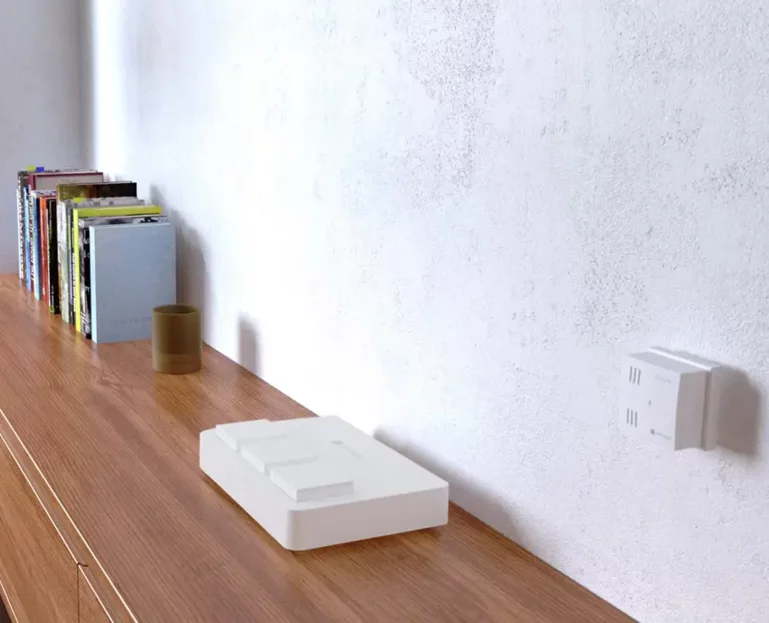

Staying in poorly ventilated rooms
The carbon dioxide (CO2) and the aerosols created by humans pollute the room air, as do concentrations of other air pollutants from building materials, furnishings or household chemicals. Without appropriate ventilation, indoor air hygiene and the ability to concentrate decrease and contagious aerosol concentrations increases enormously. A current study by the Hermann Rietschel Institute (TU Berlin) provides evidence that the CO2 is an ideal indicator for aerosol concentration, as humans permanently release CO2 and aerosols into the air*. Because of this direct relationship, persons can stay in a room for a certain period of time until a certain amount of virus is inhaled. Increased and well-planned exchange of air with unpolluted fresh air can keep the CO2 and aerosol concentration low in the long term. The lower the CO2 concentration, the lower the amount of aerosols that persons in the room can inhale. The risk of infection is reduced.